The Calm Beneath the Christmas Rush
There’s a certain magic to December. Cities glow, public and commercial buildings fill with activity, and the rhythms of occupancy shift dramatically. But behind every smoothly run space, whether a campus, a facility, a public building or a logistics hub, there’s an invisible system working behind the scenes to make sure everything flows.
This year, as always, the magic only happens if the infrastructure works. From managing heating in large buildings to regulating energy use in complex facilities, smart infrastructure is the unsung hero of the festive season. It may not be flashy, but it’s vital.
Peaks, Patterns and Pressure Points
Data doesn’t take a holiday, and neither do buildings. For many facilities, December is one of the busiest and toughest times of the year.
In colder months, electricity demand in Great Britain can be as much as 36% higher on a winter’s day compared to a summer’s day. GOV.UK
That spike reflects increased lighting hours, HVAC loads, and heating demands, all of which intensify after dark, when natural light fades but occupancy and activity remain high. GOV.UK+2UCL Discovery+2
For building and facilities managers, this translates into a flood of micro‑decisions: when to heat, where to heat, where to light, when to ventilate, when occupancy shifts. Without automation and data, managing this manually is almost impossible.
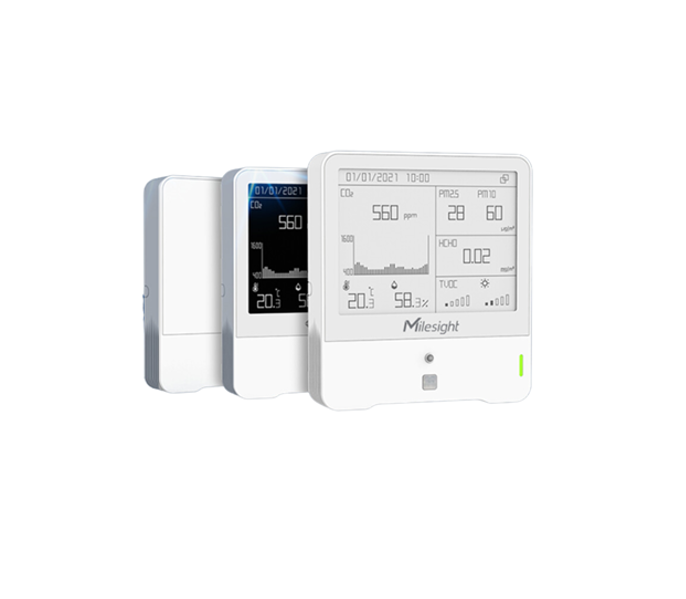
That’s where sensor‑led systems step in. Sensors tracking temperature, occupancy, air quality, lighting and energy use give building teams the data they need, and crucially, time to act pre-emptively. When dozens or hundreds of decisions are triggered hourly, automation isn’t optional, it’s essential.
Energy Efficiency in an Over‑lit, Over‑heated World
The festive season brings warmth and light, but also potential waste. Decor lighting, extended hours, increased occupancy, and demand for comfort all add up.
Buildings are already a major factor globally: the built environment accounts for over one third of global energy consumption and around one quarter of energy‑related CO₂ emissions. IEA+2ScienceDirect+2
Within buildings, heating, ventilation, and air conditioning (HVAC) are especially significant, in many cases representing ~38% of a building’s total energy consumption. ScienceDirect+1
Smart, sensor-based controls make a huge difference by:
Optimising heating: ensuring spaces are warm when occupied, cooler when empty.
Managing lighting and ventilation dynamically based on occupancy and daylight.
Reducing unnecessary consumption, and the environmental footprint that comes with it.
Even in older buildings, these systems help deliver “smart building” performance without costly retrofits, transforming legacy infrastructure into data-driven, efficient, and responsive environments.
Reducing Stress, One Alert at a Time
December, with its colder weather and darker evenings, often puts heavy load on building systems. Legacy HVACs, outdated ventilation systems, or simple wear can lead to faults, leaks, overworked heaters, energy overuse, or poor air quality.
Smart alerting systems built on real‑time data change that dynamic:
A sudden temperature drop, a malfunction, a pressure anomaly, sensors detect it immediately.
Alerts are generated early, before occupants feel discomfort or systems fail outright.
Maintenance or response teams take action before disruption, preventing emergencies that could otherwise snowball during peak season.
Less reactive firefighting. More proactive peace of mind.
Data That Keeps Giving… Beyond December
The benefits of smart infrastructure go far beyond the festive period. The data gathered now becomes part of an ongoing performance baseline:
Seasonal energy use trends
Occupancy and space‑utilisation analytics
Heating, ventilation and lighting load patterns
Predictive maintenance and fault detection history
With this baseline, facility teams can refine energy targets, optimise comfort, plan preventive maintenance, and deliver continuous improvements well into the new year.
In a time of year often associated with excess, there’s comfort in precision. And in precision lies long-term savings, sustainability and resilience.
Built for Christmas. Designed for the Everyday.
While everyone’s wrapping gifts, decorating spaces, and enjoying the festivities, your infrastructure is working tirelessly, silently behind the scenes. Responsive, sensor-led systems are the reason buildings remain safe, efficient and resilient through the busiest weeks of the year.
When everything runs smoothly, no one notices. And frankly, that’s exactly the point.
Because smart infrastructure shouldn’t just support the season, it should support every day.
If you want to see how data‑driven operations can transform the way your spaces perform, whatever the season…