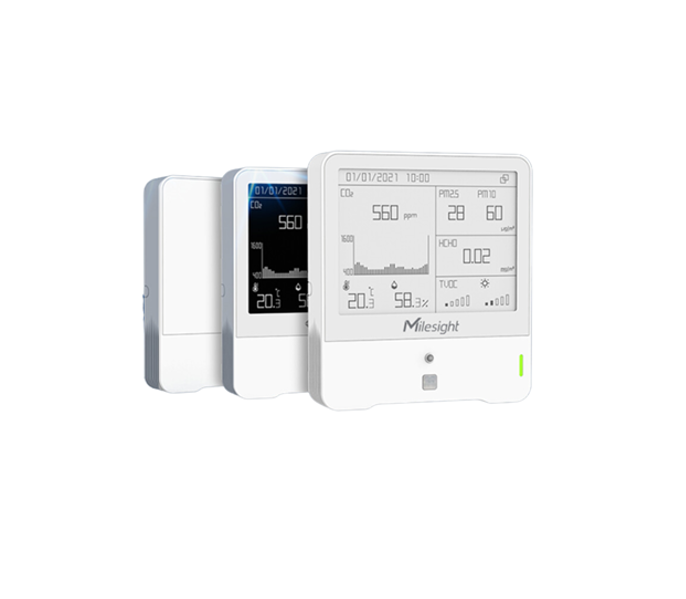
While headlines focus on flashy tech, one of the biggest revolutions in physical spaces is happening quietly, through sensors, dashboards, and data.
IoT (Internet of Things) technology is rapidly transforming how building operators manage energy, monitor environments, and meet carbon reduction targets. And it’s doing it without disrupting the visitor experience.
What Makes Buildings Smart?
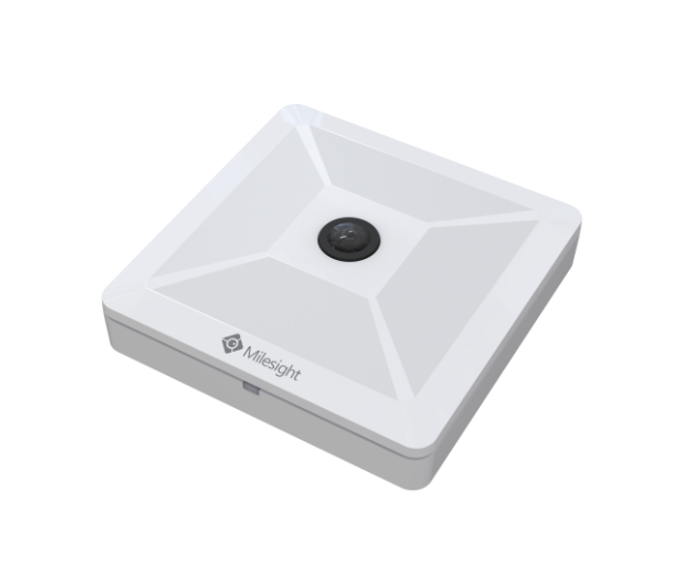
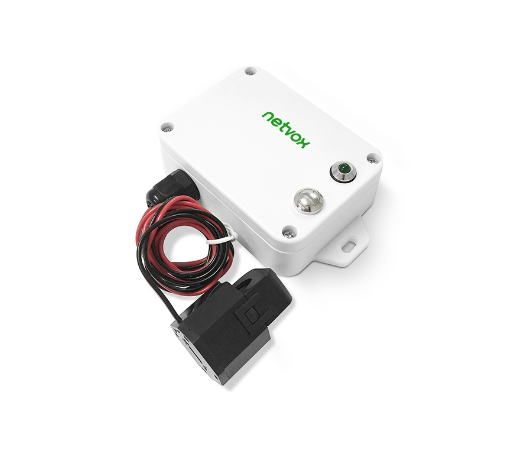
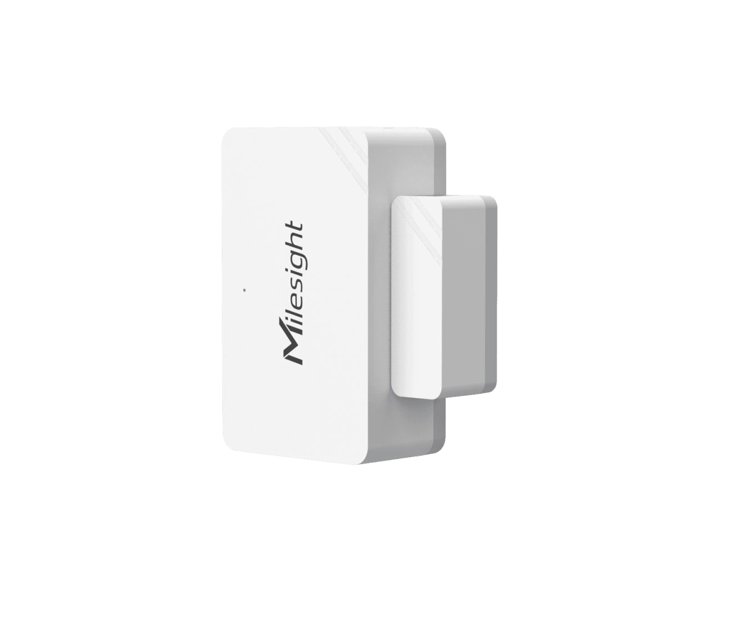
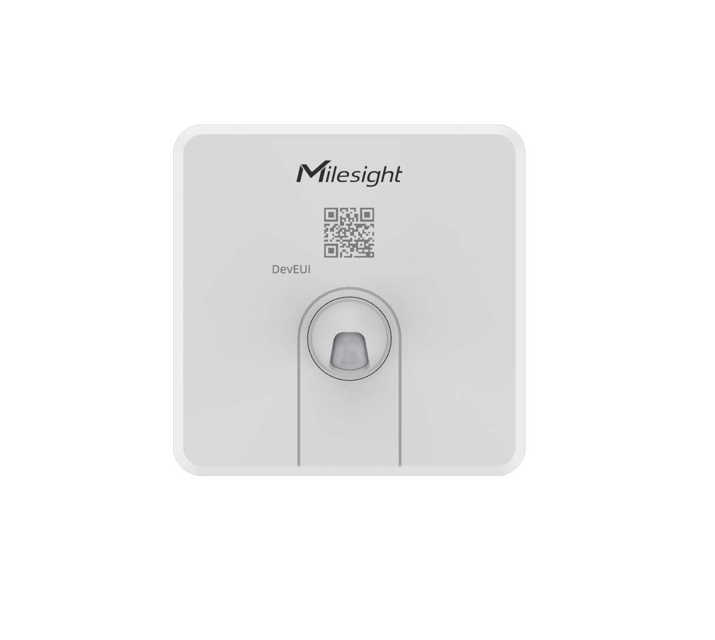
Smart buildings use sensors to track:
Temperature
Occupancy
Lighting conditions
CO2 levels
Energy consumption
This data feeds into real-time dashboards that help optimise performance. Lights dim when natural light increases. HVAC systems only cool active zones. Alerts flag anomalies before energy is wasted.
Real Savings, Real Fast
Building managers implementing IoT strategies are reporting:
12–20% reductions in energy costs
Faster identification of inefficiencies
Better air quality and customer comfort
These aren’t vanity metrics. In an industry with razor-thin margins, energy savings go straight to the bottom line.
It’s Not Just Tech… It’s Insight
What sets IoT apart is its ability to reveal patterns. Over time, businesses can learn:
Which buildings use the most energy (and why)
How footfall and occupance correlates with air quality
When and where energy spikes occur
This turns reactive energy policies into proactive sustainability strategies, in essence a SmartSpace.
The ESG Advantage
As sustainability climbs the priority list, building management companies also face pressure to meet ESG targets. IoT helps them:
Track real-time metrics for reporting
Identify quick wins for energy efficiency
Automate compliance across estates
It’s not about adding complexity, it’s about replacing assumptions with evidence.
The Future Is Ambient
The best IoT systems are invisible. They work in the background, surfacing insights only when needed. There’s no friction, no disruption, just smarter operations.
“What gets measured gets improved” – Peter Drucker
This is Hubit. Data-led. Energy-smart. Built for efficiency.