In 2025, everyone’s talking about smart spaces. But too often, the focus falls on what people can see, big screens, flashy touchpoints, bold displays. The real intelligence? It happens behind the scenes.
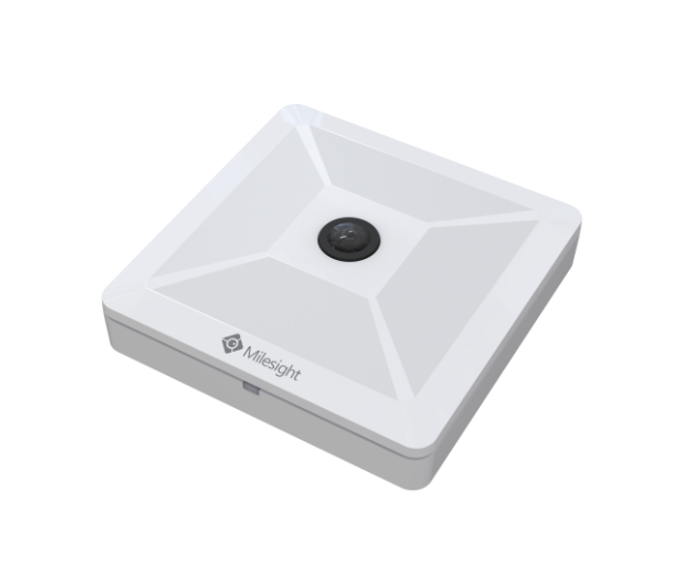
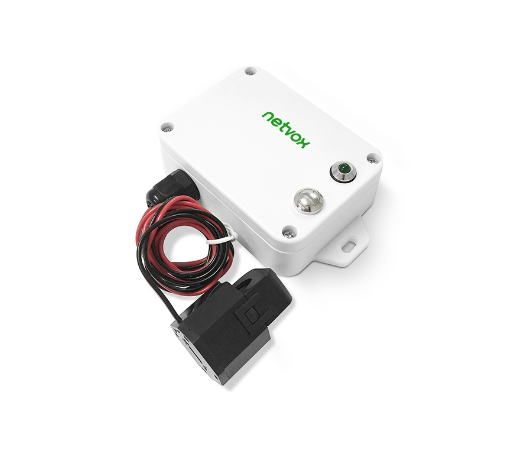
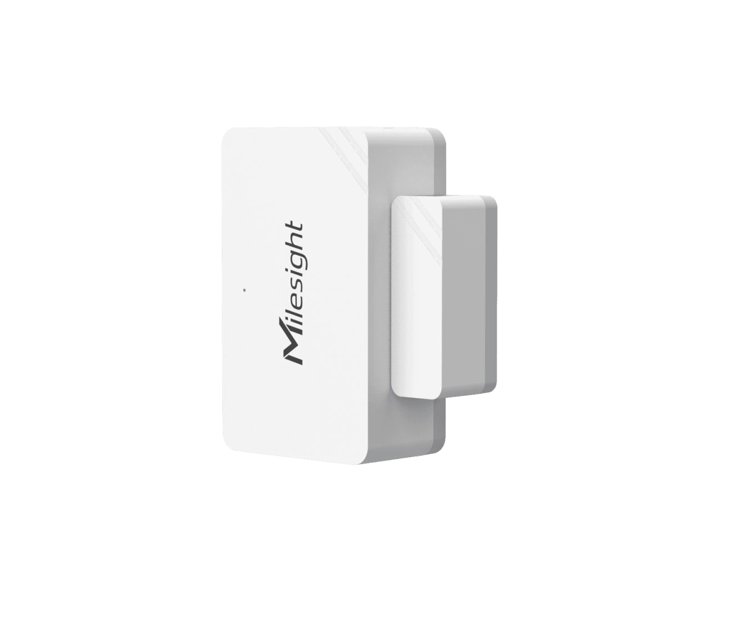
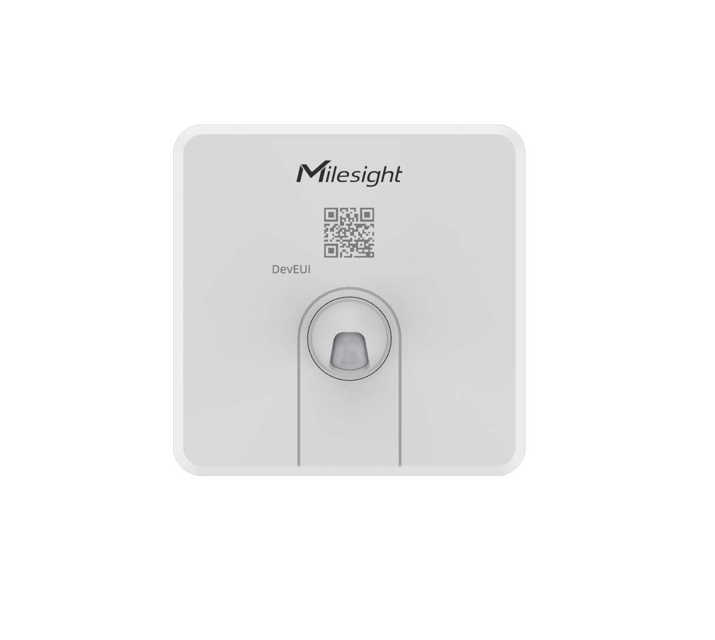
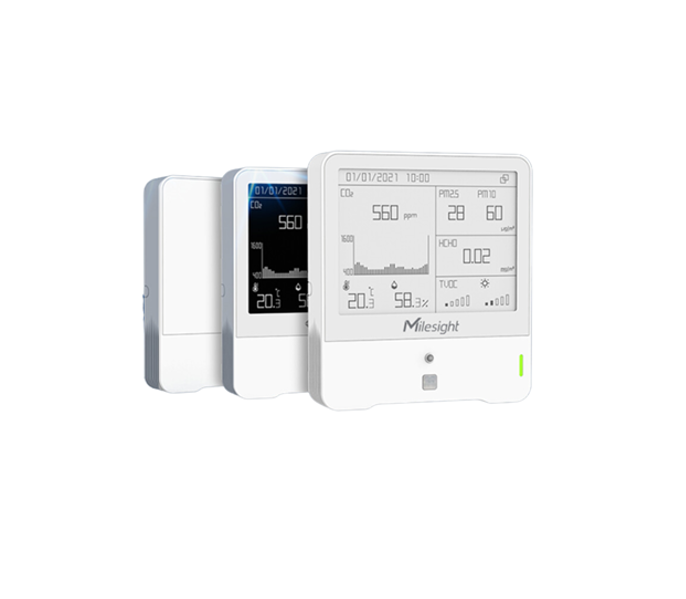
Sensors are the silent force powering tomorrow’s environments. They capture behaviour, detect patterns, trigger content, and surface data that helps environments think, adapt, and perform. For retail, cultural, and commercial spaces, this “invisible layer” is now the foundation of experience design.
Why Screens Alone Aren’t Smart
Digital signage, interactive installations, and immersive AV are essential tools—but they’re only as good as the data that drives them. Without context, screens are just display surfaces. With sensors, they become part of a responsive system.
Consider this: a wayfinding screen in a museum is useful. But a screen that adjusts content based on crowd flow, dwell time, or real-time bottlenecks? That’s intelligent.
Smart spaces are about more than interactivity, they’re about situational awareness. And that requires environmental data.
What Sensors Actually Do
Rather than adding visible tech clutter, sensors blend into the environment, silently measuring how people move, pause, and interact. This allows spaces to become adaptive. A retail store can learn which displays attract the most attention. A transport hub can sense crowd surges and respond in real time. A commercial lobby can automatically adjust lighting based on occupancy and daylight.
The result is an environment that listens and responds, without being prompted. That’s the difference between passive infrastructure and an intelligent system.
According to MarketsandMarkets, the global smart sensor market is expected to grow from $57.8 billion in 2022 to $104.5 billion by 2027. This reflects a clear demand: businesses want environments that self-optimise.
From Buildings to Behaviour
In a high-street retail example, sensors embedded at store entry points can detect not just footfall, but conversion, how many people passed, entered, browsed, and bought. The same sensors can be integrated with local weather data or promotional content, automatically adjusting what’s displayed based on external conditions.
In cultural attractions, visitor behaviour can be used to smooth flow through exhibits, creating a more immersive and less congested experience. In commercial buildings, occupancy and air quality data can drive smarter ventilation and energy use.
This is spatial intelligence, not just data for its own sake, but real-time feedback that powers smarter operations and better user experience.
Why It Matters in 2025
Three converging forces are accelerating this shift. First, businesses increasingly demand data-led decisions about their physical environments. Second, there’s rising pressure to reduce energy consumption and improve sustainability. And third, audiences expect environments to be personalised and responsive, without requiring constant human input.
Together, these factors make sensor-driven systems not just useful, but essential. Without them, smart spaces are little more than visual showcases. With them, they become adaptive ecosystems.
The Future Is Embedded, Not Imposed
Truly intelligent spaces don’t announce themselves with blinking lights or oversized screens. They integrate quietly, respond naturally, and function seamlessly.
Motion sensors adjust lighting based on presence. Temperature readings trigger climate adjustments. Dwell-time analysis influences content sequencing. These interactions don’t need to be visible, but they dramatically improve both performance and perception.
As British designer Thomas Heatherwick put it, “People don’t want digital experiences, they want better ones.” Sensors are how we get there, by listening before acting.
How Hubit Builds the Invisible Layer
At Hubit, we design and deploy embedded sensor systems that give physical spaces awareness. Our work spans smart retail, transport hubs, public installations, and commercial interiors, each with a focus on discreet, powerful intelligence.
Our systems are built to integrate, not overwhelm. We calibrate sensors to environment, layer them into architecture, and connect them to insights dashboards that give real value to facilities, design, and brand teams alike.
When your environment needs to think faster, respond smarter, and adapt in real time, it starts with the right invisible layer.